
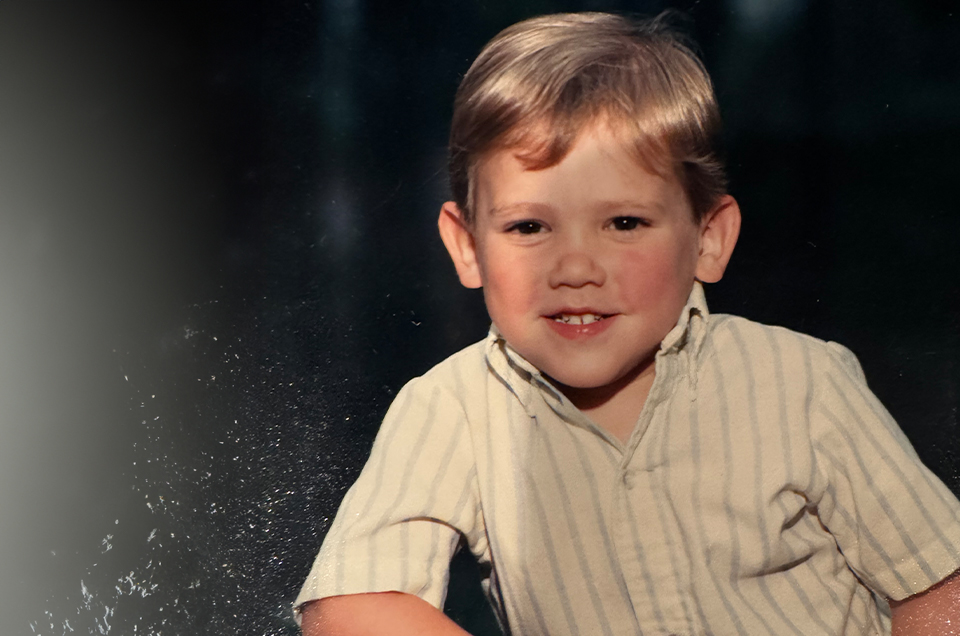
Christopher L., Adoptee:
It all worked out okay
Adoption, privilege, and the power of nurture
Adopted at birth and raised in a family that valued education, Christopher saw stark contrasts between the lives of his adoptive parents and his birth family. Today, he doesn’t take any of it for granted.
A letter from the past
Christopher was 37 when a letter arrived from the State of Illinois: his birth mother wanted to meet. He agreed, not out of longing for reconnection, but curiosity. He wanted to understand his medical history. They met over dinner in Peoria. That meeting, with a woman he had never seen before, opened the door to more than practical answers about health.
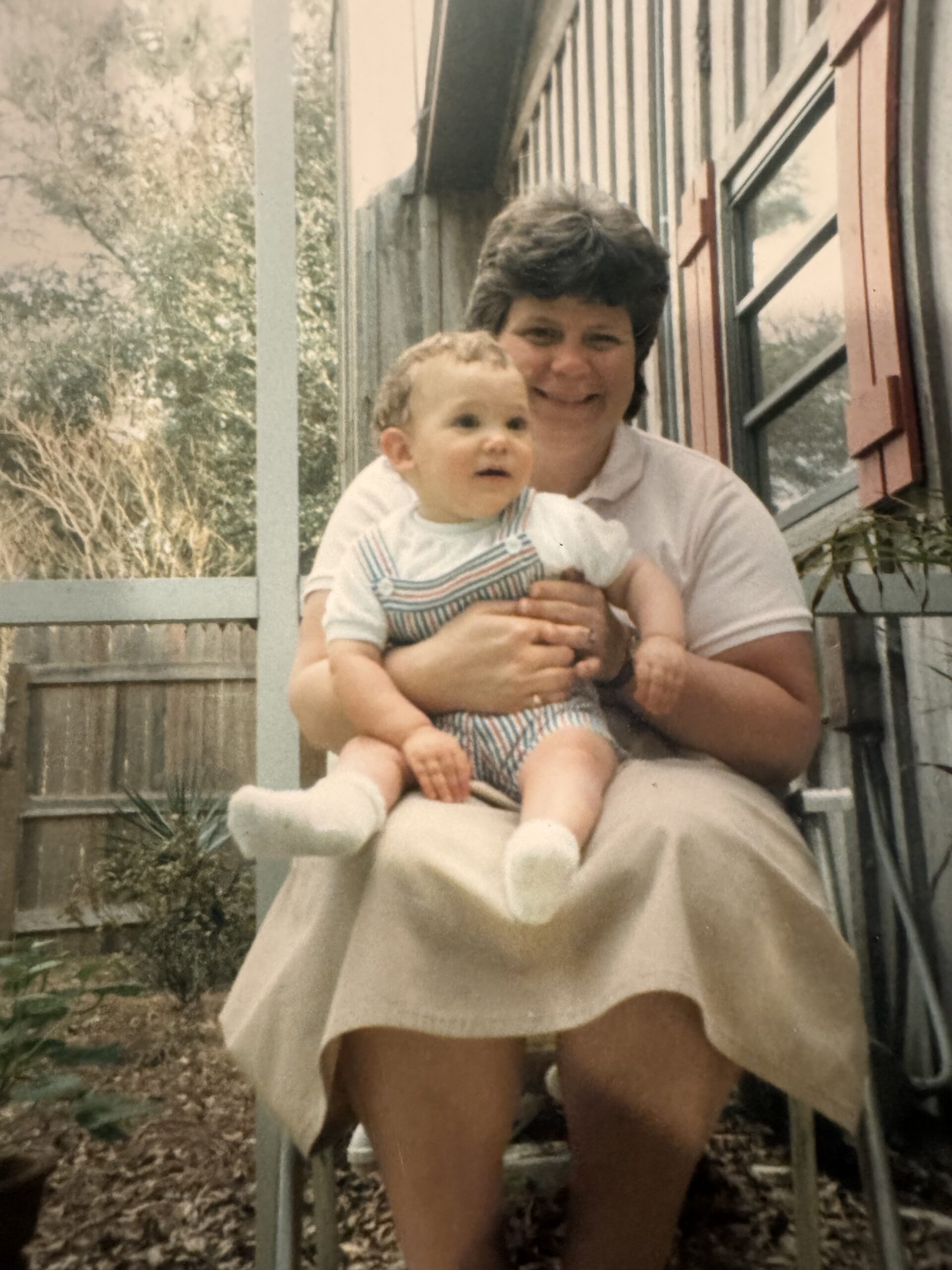
By the pool with his adoptive mom at his paternal grandparent’s house in Florida.
A childhood marked by stability
Born in Peoria, Illinois, Christopher was placed for adoption through Easter House in Chicago. He was adopted as an infant by a loving family and spent his early years in Florida. Later, after his parents’ divorce, he spent time living with his grandparents and father, eventually settling in Holland, Michigan in sixth grade — a place he remembers fondly.
As a child, he didn’t think much about being adopted. His adoptive mother, Bonnie, was adopted herself, and adoption was simply part of the fabric of their family. But as he got older, that quiet thread began to tug at him, especially after Bonnie passed away. She had struggled with depression and a complicated relationship with her own adoptive mother, who was disappointed with her daughter who didn’t fit in with the “Scarsdale ideal.”
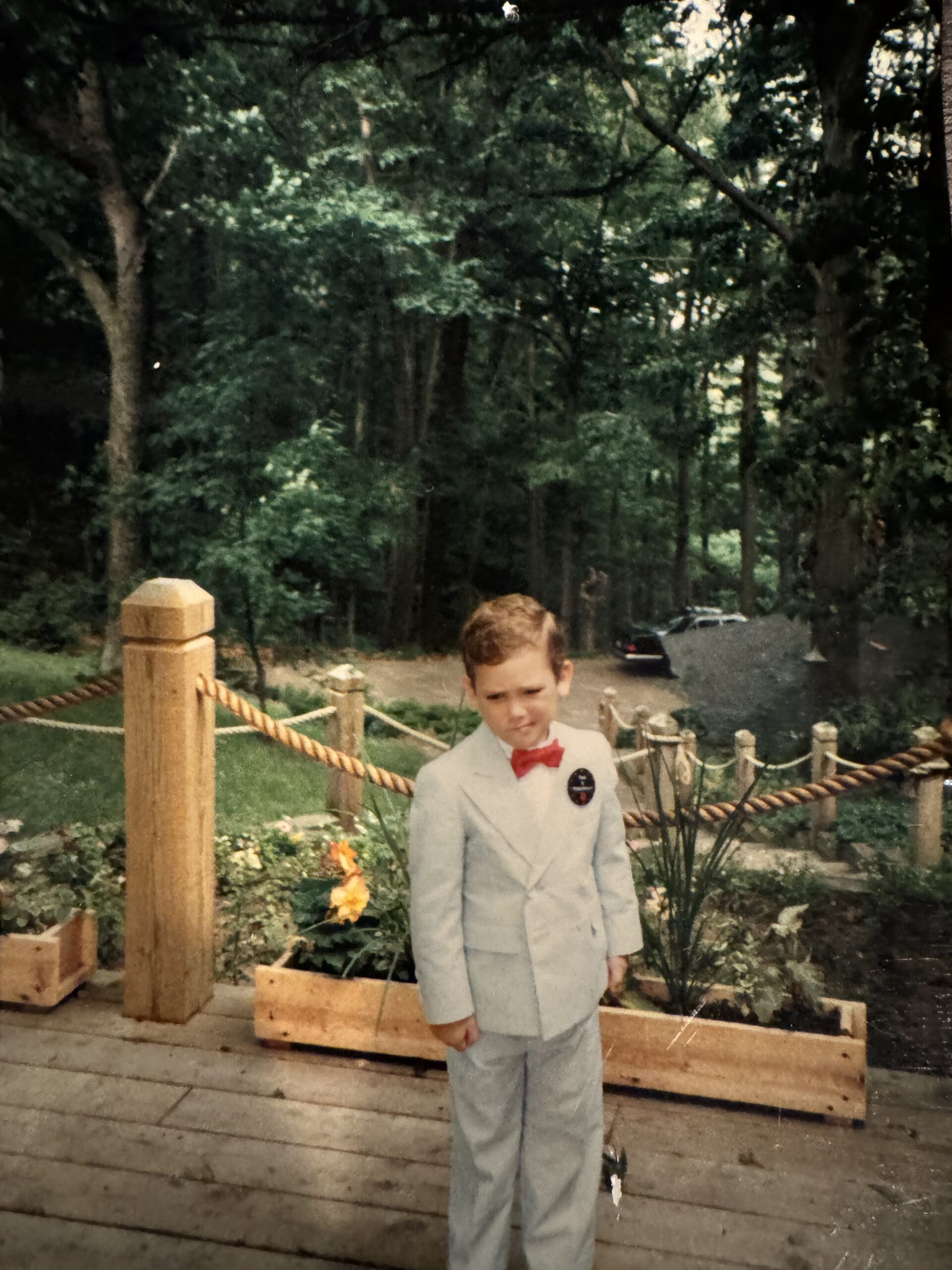
Easter Sunday in Michigan.
The contrasts between two worlds
Christopher grew up in an environment that was structured, stable, and intellectually rich. His adoptive father, Paul, shared passions and projects that left a mark on the man, and the successful professional, Christopher would become. As an adult, through his adoptive mother’s family, he came into considerable resources and was eventually drawn to investing. And while he has done quite well over the years, he never takes his good fortune for granted. “The only think having money does,” he says, “is make your life easier.”
When Christopher met his birth mother, Mildred, he saw a woman whose world was vastly different than his.
She was in her 60s but, to Christopher, she looked 80. She was immersed in what he describes as a cult-like church, living in Peoria with a daughter, and relied on disability for support. Later, when he visited his half-sister in a trailer park in Austin, Texas, he saw more of the same: a world shaped by limited access, limited choices, and a vastly different set of values.
Gratitude without sentimentality
Christopher has never met his birth father. The most he knows is what his birth mother shared — that the man struggled with substance use. Christopher once drove by his father’s house, but he didn’t stop. For Christopher, the truth was that he has never felt a strong pull towards his genetic relatives/birth family.
He takes pride in being respectful and kind. But does not feel attached or drawn to cultivate a close relationship with them. “I’m not overly interested in making a connection with my birth family,” he says. “I don’t feel a need to be close.”
Still, there was something he wanted his birth mother to know — that the decision she made, as hard as it must have been, led to a good life for her son. “You can be at peace with the whole situation,” he told her. “It all worked out okay.”
Christopher’s life today is stable, full, and rooted. He’s been married for 12 years to a school nurse and former social worker. Together, they raise three children in Denver.
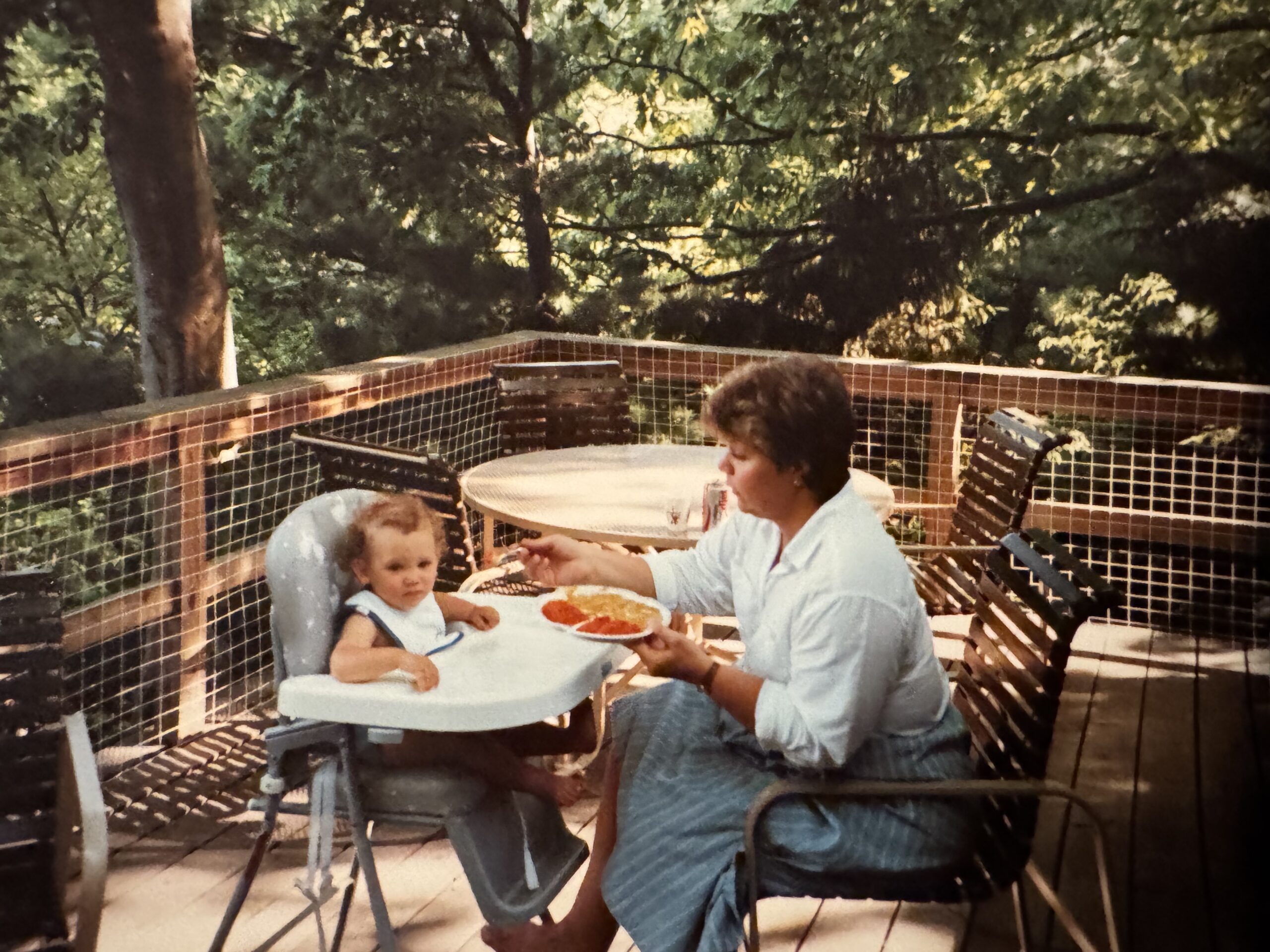
Lunch with his adoptive mom in Michigan.