
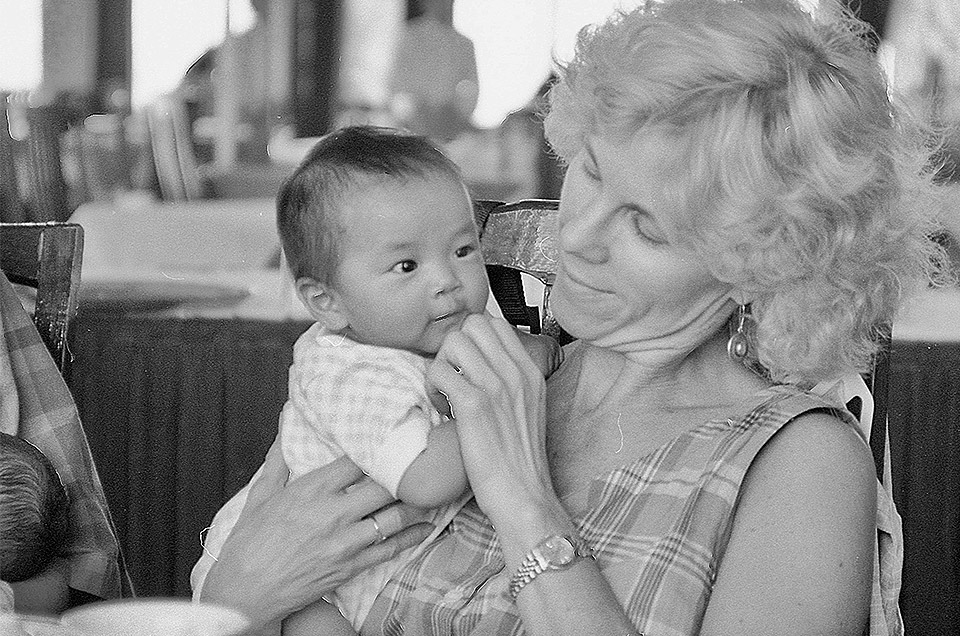
Lauren B, Adoptee:
A life between two worlds
Growing up different in a familiar place
Lauren grew up in a Chicago suburb where she and her younger sister – both adopted from China—stood out in ways that were hard to ignore. In their schools, there were very few Chinese children. There were other Asian students, mostly Vietnamese, but Lauren rarely saw anyone whose story mirrored her own.
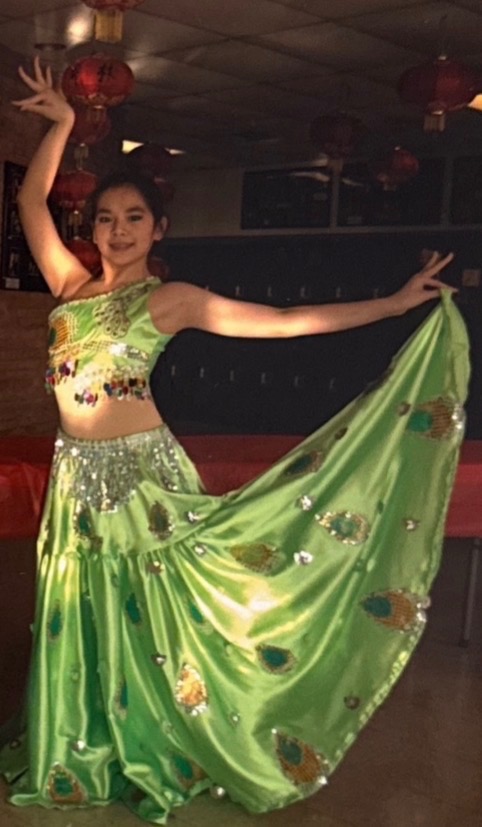
At home, her adoption was never treated as something secret or shameful. “My adoptive extended family is very small but I never recalled a time where I was made to feel different from them.” Lauren’s mother, Joyce, spoke openly about it from the beginning. She encouraged Lauren to learn about Chinese culture—enrolling her in Chinese dance classes, teaching her basic Chinese when she was young, and even bringing Chinese holiday traditions into her elementary school classrooms.
Because it was never hidden, Lauren doesn’t remember a moment when she found out she was adopted. She simply always knew.
But knowing and understanding are different things.
Too Asian, too White
As Lauren moved into her teenage years, the emotional complexity of adoption began to surface. She found herself asking quiet questions that many international adoptees eventually confront. Was she Chinese? Was she American? Where exactly did she fit?
Socially, the lines often felt blurry. Lauren sometimes felt “too Asian” among her White friends and “too White” among Asian peers. The sense of being slightly out of place – everywhere – was difficult to name at the time.
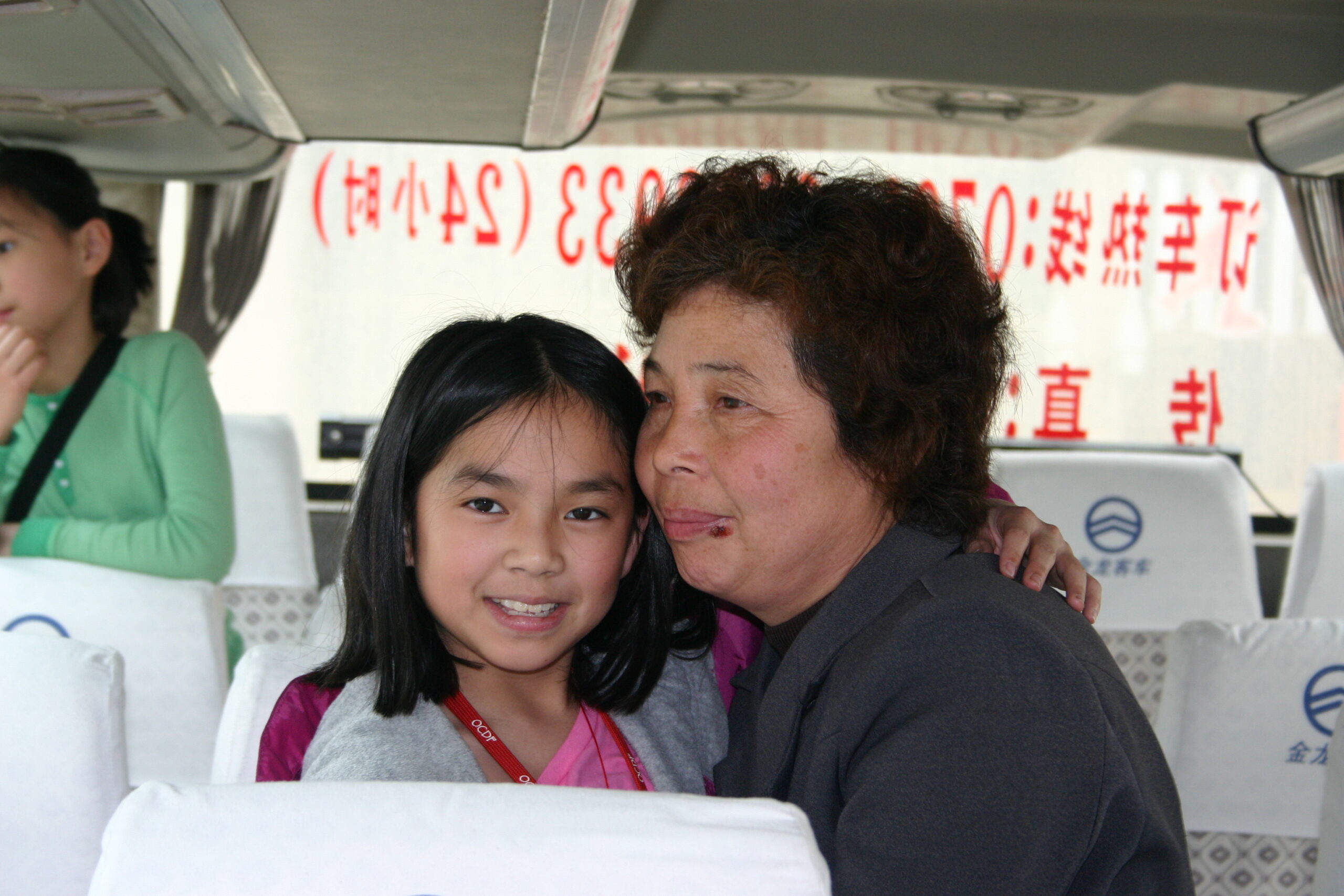
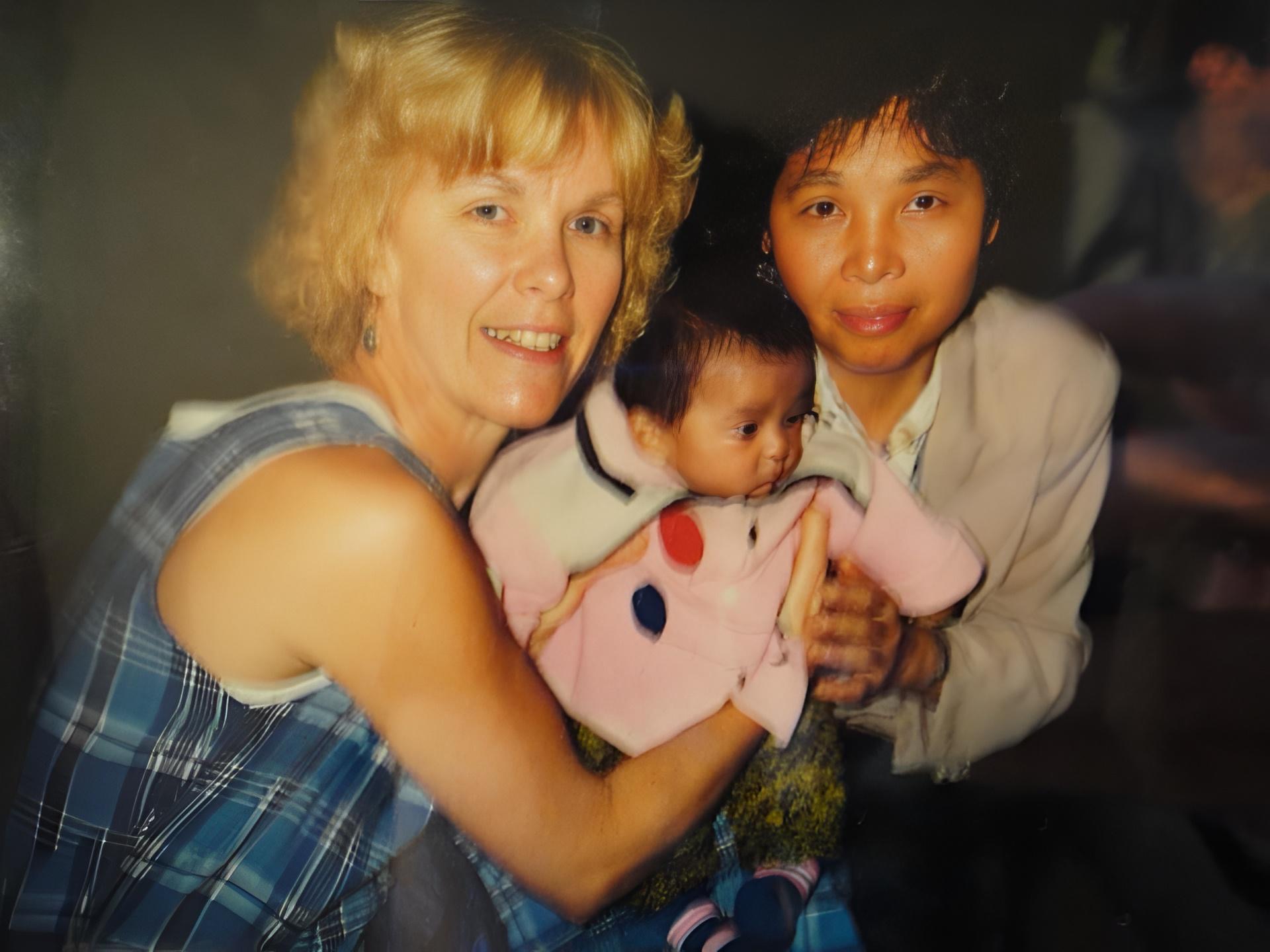
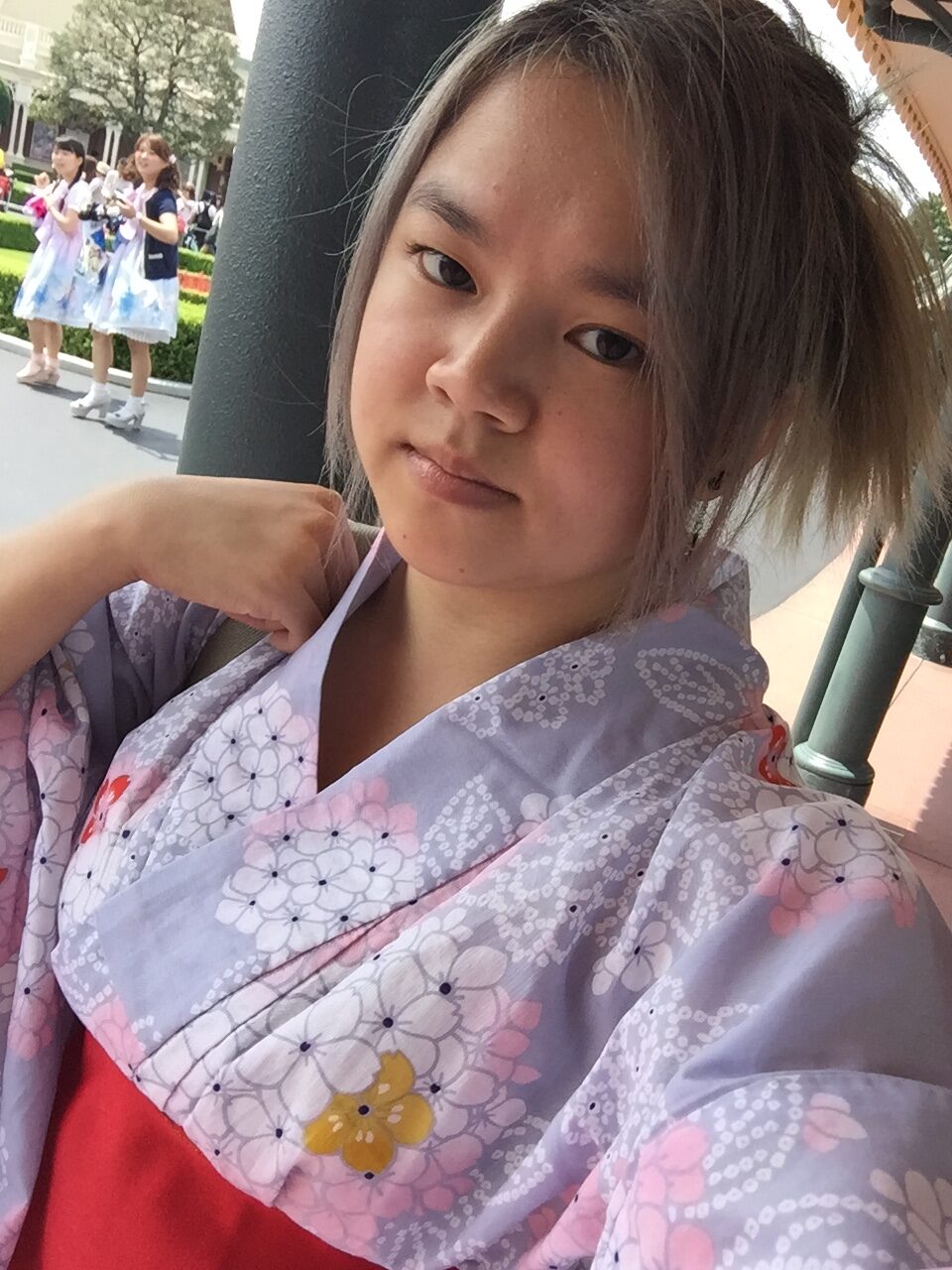
Me and My Foster Mom in 2006
In high school, those feelings sharpened. Lauren began to realize that her family structure and personal history were unusual among her peers. She was an interracial adoptee raised by a single mother. There was no father figure in her household, and her story didn’t quite resemble the families around her.
Looking back, she believes she may have put more weight on those differences than others did. But at the time, the feeling of being an outsider lingered. It made the already complicated teenage years feel even more uncertain.

A trip back – before she was ready
When Lauren was around eleven or twelve, her family returned to China on a heritage trip. The visit included a stop at the orphanage where she had once lived. Her mother brought gifts for the staff. Lauren remembers seeing the place where she had been found as an infant.
But the experience didn’t unfold as some might imagine. Lauren was still young, and she struggled with social anxiety at the time. Being surrounded by curious onlookers made her uncomfortable. The trip passed in fragments. She brought home memories instead of the revelations she had hoped for. Only later did she realize that she had probably been too young to fully absorb what the visit meant.
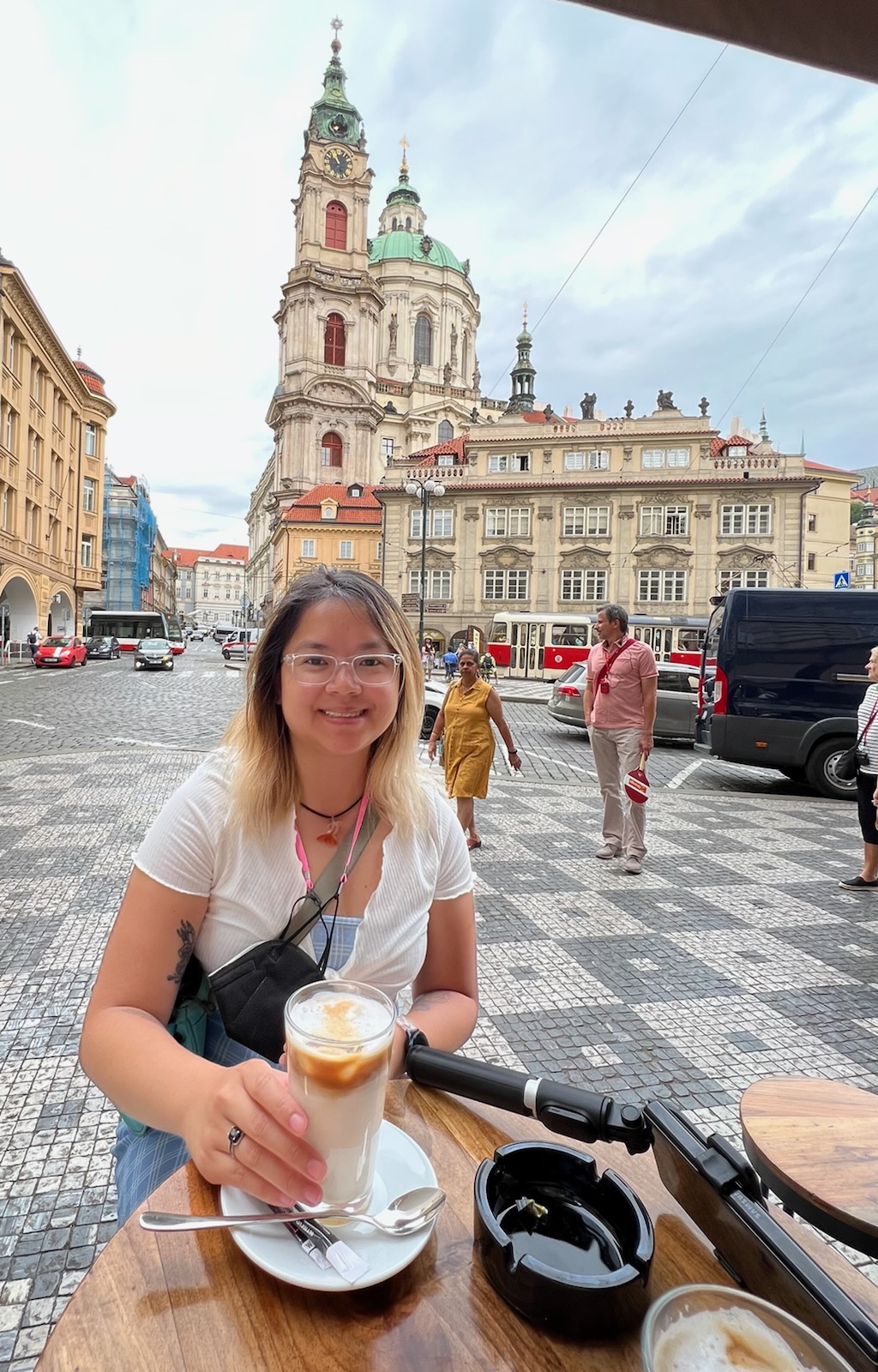
Me in Prague…
The questions that don’t always have answers
Lauren’s adoption took place during China’s One-Child Policy, a time when strict limits on family size shaped many international adoptions. Her adoption was closed, and no information about her birth parents was left behind. She knows only that she was left by the side of a road to be found. Like many adoptees, Lauren has wondered why.
But she has also learned how to hold that uncertainty with perspective. There is a strong possibility she may never know the full story. Rather than dwelling on questions she cannot control, she tries to focus on the life she is building now.
“I would like to meet the people I am genetically related to. I want to see what my life could have been like if I had stayed in China.” If answers appear someday, she will welcome them. If they don’t, she has made peace with that possibility.
Searching for connection
Recently, Lauren took a step toward the unknown by submitting her DNA to the Chinese National Reunion database through the Nanchang Project, an organization that helps adoptees and birth families reconnect.
The process is unpredictable. A match requires both sides – birth relatives and adoptees – to submit DNA. Still, the possibility matters.
Lauren hopes that one day she might meet the people she is genetically connected to, including the woman who gave birth to her. She is curious about what her life might have looked like had she remained in China.
Curiosity, she has learned, can exist without resentment.
Finding community along the way
Through her search efforts, Lauren has also found something unexpected: community.
She has connected with other Chinese adoptees and now volunteers with Chinese Adoptees of the Midwest (CAM), an organization that supports adult adoptees exploring culture, identity, and heritage.
For many adoptees, adulthood brings a second stage of reflection about identity. CAM offers a space where those questions can be explored among people who understand them firsthand.
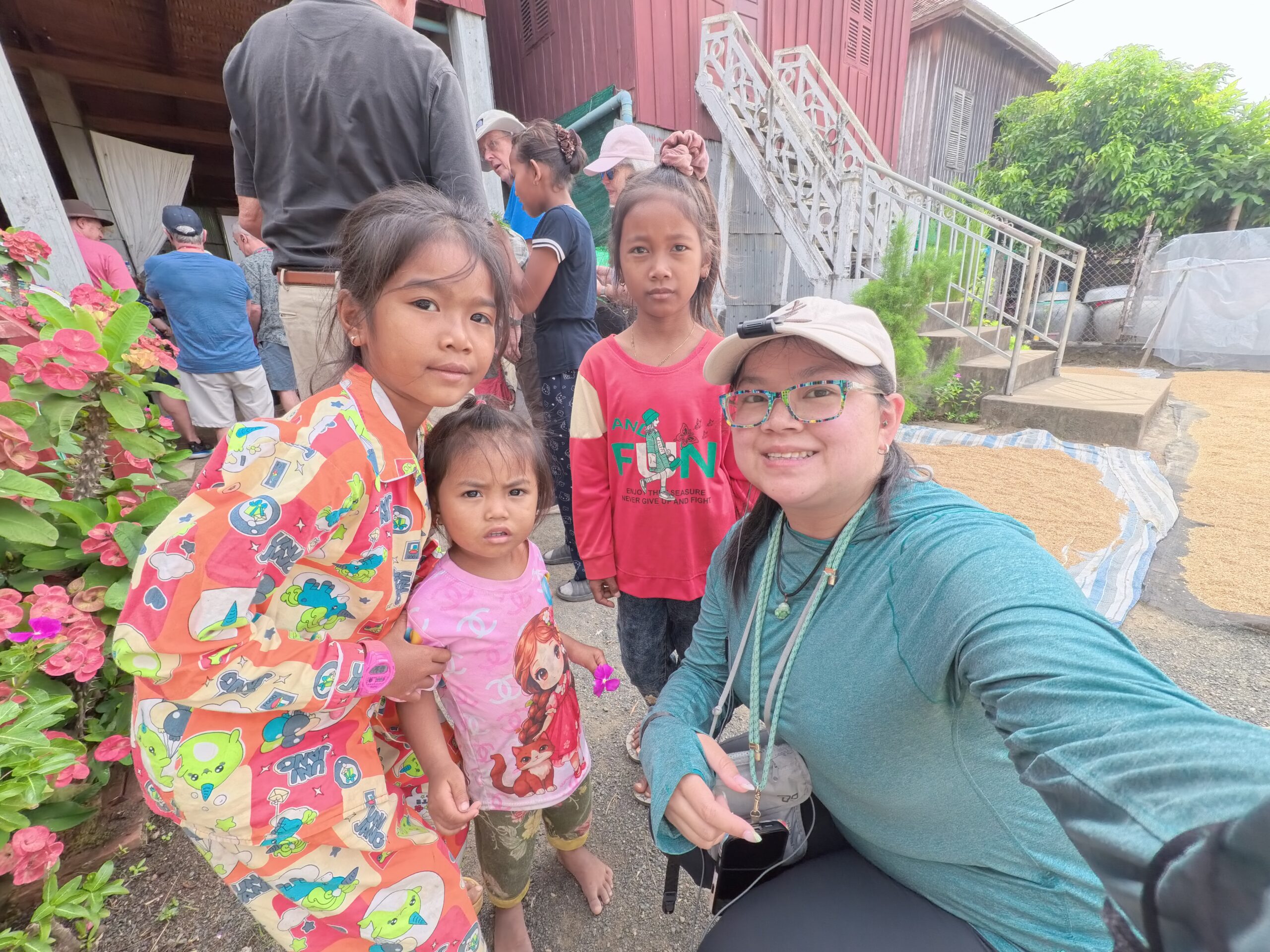
Cambodia
A life moving forward
Lauren graduated from North Central College with a degree in Japanese and a minor in Chinese before exploring work in technology and later pivoting toward more creative work. Today, she is building a creative career in digital marketing and content creation, helping businesses develop social media and marketing videos.
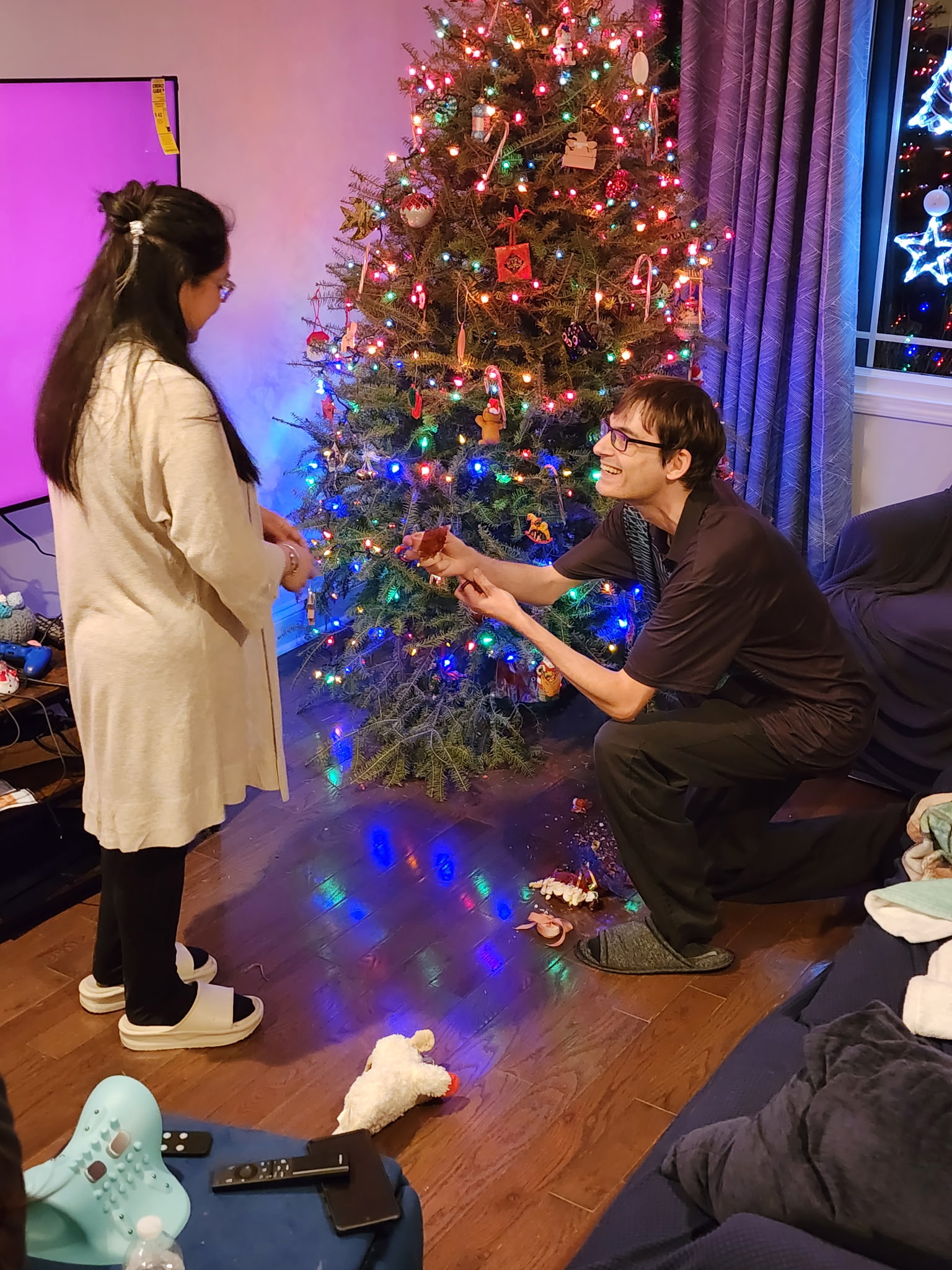
At the end of 2025, she became engaged to her fiancé, celebrating the moment at home surrounded by family and friends. Her story, like many adoption stories, is still unfolding.
Adoption is love
Lauren believes adoption represents a painful but deeply human decision: the willingness of birth parents to let a child go in the hope that they might have a better life. She acknowledges that adoption can sometimes feel like rejection. That feeling exists. But alongside it, she also recognizes the love in the sacrifice that made her life possible. “To have challenges in life is to be human and I think that is just what humans go through regardless of what their family structure looks like.”
Lauren believes sharing stories like hers matters. Somewhere, another young adoptee might be asking the same questions she once did – wondering where they fit, or whether anyone else understands.
If hearing one story helps someone feel a little less alone, she believes it’s worth telling.